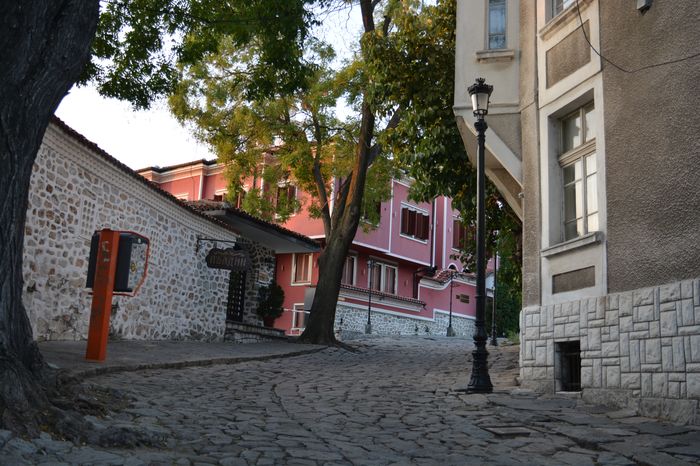
Experience Bulgarian Lifestyle Through Local Traditions
Bulgarian traditions are easiest to understand when they are approached as living practices rather than decorative details. A woven pattern, a clay vessel, a song, or a dish carries the choices of makers and families across generations. Visitors can learn more by paying attention to who makes something, how it is used, and what meaning local people give it.
For a broader introduction, read Experience Bulgarian Lifestyle Through Local Traditions.
What can a craft teach you?
Start with a material. Woven carpets in places such as Chiprovtsi and Kotel have distinctive regional patterns and long craft traditions. Pottery and woodcarving also appear in Bulgaria’s cultural life, from household objects to church interiors. If you visit a workshop, look at the tools and stages of the process, not only the finished item. Ask whether demonstrations or conversations are possible, and respect the maker’s time.
Travelers who want to connect local culture with a flexible route can explore Customized Tours Balkan as a planning reference. A smaller group or a slower schedule can make it easier to ask questions and leave time for local encounters, but always confirm which activities are actually available on your dates.
How should a visitor take part?
Begin by listening. A festival, performance, or village meal may have its own expectations. Watch how residents participate before deciding whether to join in. Ask before taking photographs, especially when people are working, worshipping, or celebrating. A polite question can prevent a moment from becoming intrusive.
Food is another way to encounter regional identity. Rather than searching for one dish that represents the entire country, notice how ingredients and cooking styles change between areas. Ask what is seasonal and how a meal is usually shared. A conversation over food can reveal more about daily life than a quick list of famous recipes.
If you are unsure how to arrange a visit around workshops, meals, or cultural events, use Contact Us early in the planning process. Explain what interests you and how much time you have. That makes it easier to focus on experiences that fit, instead of assuming every tradition is available as a scheduled attraction.
Festivals and craft demonstrations are also working settings for the people who host them. Follow organizers’ directions, give performers room, and remember that a visitor is not entitled to every part of a ceremony. Listening first helps keep cultural exchange respectful and gives local people control over how their traditions are shared.
What should you bring home?
A useful souvenir may be a small handmade object, a recipe, or a new understanding of a craft. Buy directly from a maker when possible, and ask about the materials and process. Avoid treating local customs as something to collect or reproduce without context. The goal is to remember the people and skills behind the object, not just its appearance.
Travelers continuing to Istanbul can explore another city’s layers with Istanbul Tour Guide Ensar. Let the Istanbul visit stand on its own, then compare how different places express history through buildings, markets, and everyday routines.
Keep time open for a market, a workshop, or a shared meal. The most meaningful encounter may be a quiet explanation from a craftsperson or a small detail that changes how you see the place.